
How 3D Scanning Technology is Changing the Short-Term Rental Industry

The short-term rental (STR) industry has transformed dramatically over the past decade. With platforms like Airbnb and VRBO maturing—and hotels adopting some of their strategies—competition for guests has never been fiercer. Travelers are savvier, expectations are higher, and hosts can no longer rely on a few well-staged photos to secure bookings.
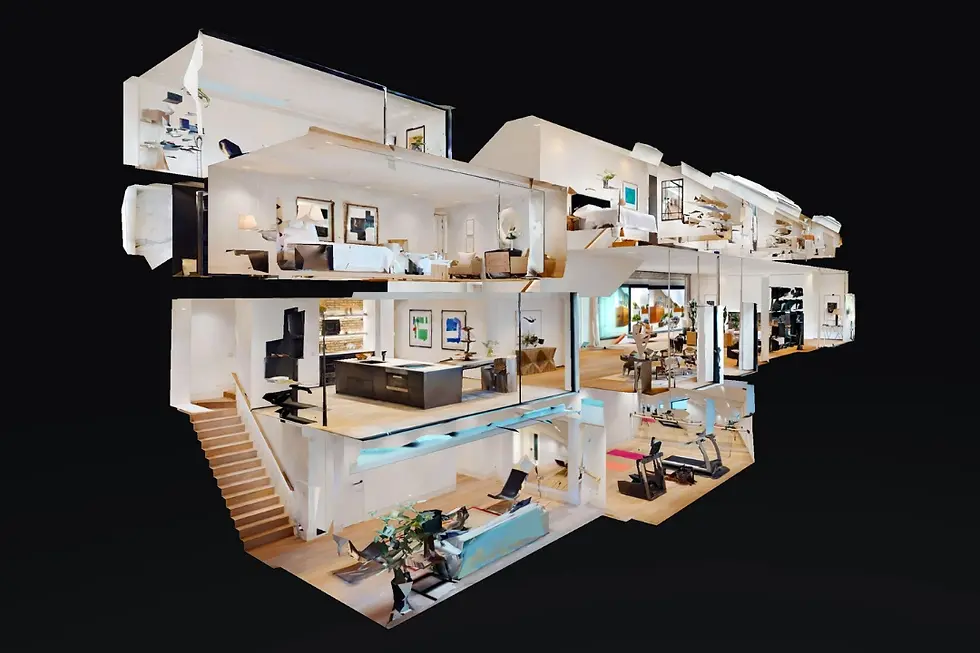
Enter 3D scanning technology. What was once reserved for luxury real estate marketing is now becoming a critical tool in the hospitality and rental sectors. Its adoption is reshaping how property managers, STR owners, and even hotels market, operate, and scale their businesses.
Transparency is the New Currency
Photos can be misleading. Guests often worry about scale—how big is the living room really? Is the second bedroom actually a closet? With 3D scanning, those questions disappear. Guests can virtually walk through a space before booking, building trust and confidence.
For owners, this transparency translates into:
Fewer disputes and cancellations—guests know exactly what they’re getting.
Higher conversion rates—virtual tours encourage quicker booking decisions.
Stronger reviews—expectations align with reality.
In a crowded marketplace, credibility is invaluable.
Streamlining Property Management
For property managers overseeing multiple rentals, efficiency is everything. 3D scans deliver more than just marketing assets:
Operational Accuracy: Maintenance crews, cleaners, and vendors can review scans remotely, reducing site visits.
Remote Collaboration: Owners, designers, or contractors can plan upgrades using precise measurements from scans.
Portfolio Consistency: Standardized 3D tours across properties create a professional, branded experience that differentiates management companies.
A Competitive Edge for STR Owners
Independent Airbnb and VRBO hosts face an uphill battle competing against professionally managed listings. 3D scanning helps level the playing field. Hosts can:
Showcase Unique Features: From a tucked-away reading nook to a mountain-view balcony, immersive scans highlight what sets a property apart.
Increase Visibility: Listings with 3D tours often perform better in search rankings.
Attract Higher-Value Guests: Transparency attracts guests willing to pay more for certainty and comfort.
Hotels and Resorts Join the Shift
While hotels once led the charge in visual marketing, many now lag behind STR platforms in innovation. 3D scanning gives them a chance to leap ahead again. Guests can tour suites before booking, explore event venues virtually, and compare amenities without guesswork. For corporate clients or wedding planners, this level of clarity is becoming an expectation, not a bonus.
Beyond Marketing: Operational Intelligence
The benefits of 3D scanning extend far beyond guest-facing experiences:
Insurance & Risk Management: Accurate visual records protect owners in claims or policy updates.
Renovation Planning: Designers and architects can build directly from scan data.
Asset Management: Large portfolios gain digital documentation of every unit, reducing friction in upgrades and turnover.
The Future of Hospitality is Immersive
As the hospitality and rental industries evolve, immersion and accuracy will define guest experiences. Guests want to feel like they’ve already “been there” before they book. Owners want efficiency and reduced risk. Property managers want scalable, consistent tools.
3D scanning technology sits at the intersection of all three needs. What was once futuristic is quickly becoming table stakes—and those who adopt early will secure the competitive advantage.

Comments